
Providing clean, safe and reliable energy
Our commitment
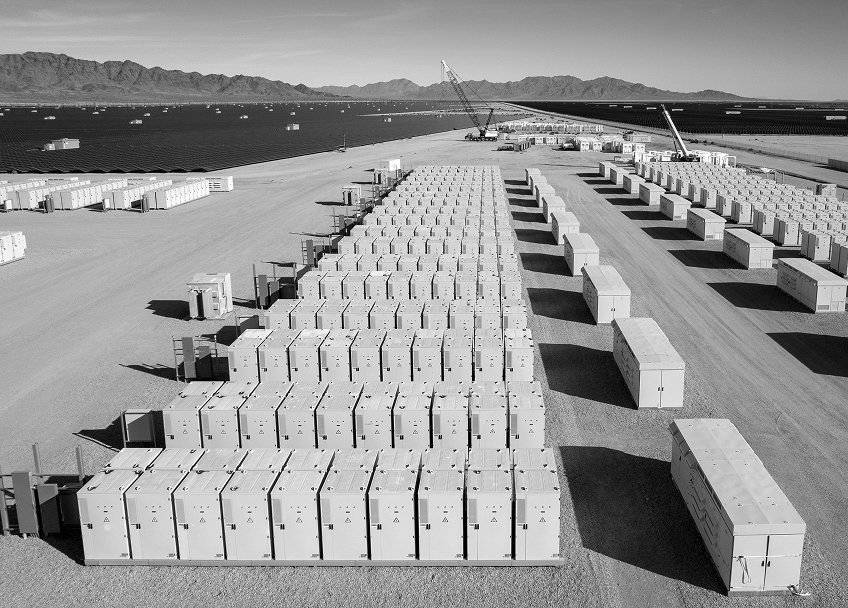
Battery energy storage systems like the Prairie Song Reliability Project are built to deliver safe, reliable energy, with a clear focus on public safety and long-term reliability.
Each system is carefully engineered to meet the highest safety, environmental, and operational standards and is reviewed by independent experts and local first responders to ensure full compliance with public safety requirements. With 24/7 monitoring, proven safety features, and a site-specific emergency response plan, our projects reflect a commitment to responsible development—for the grid and for the people counting on it.
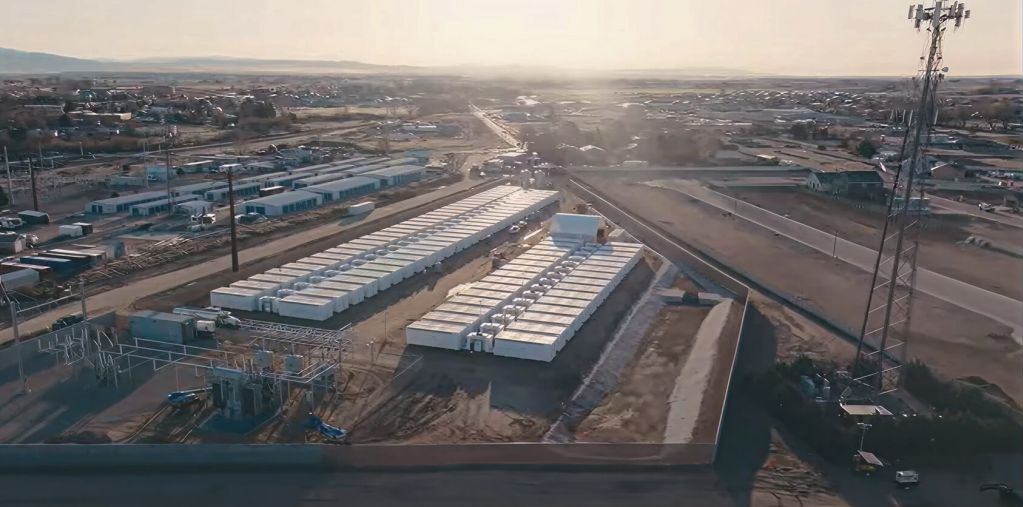
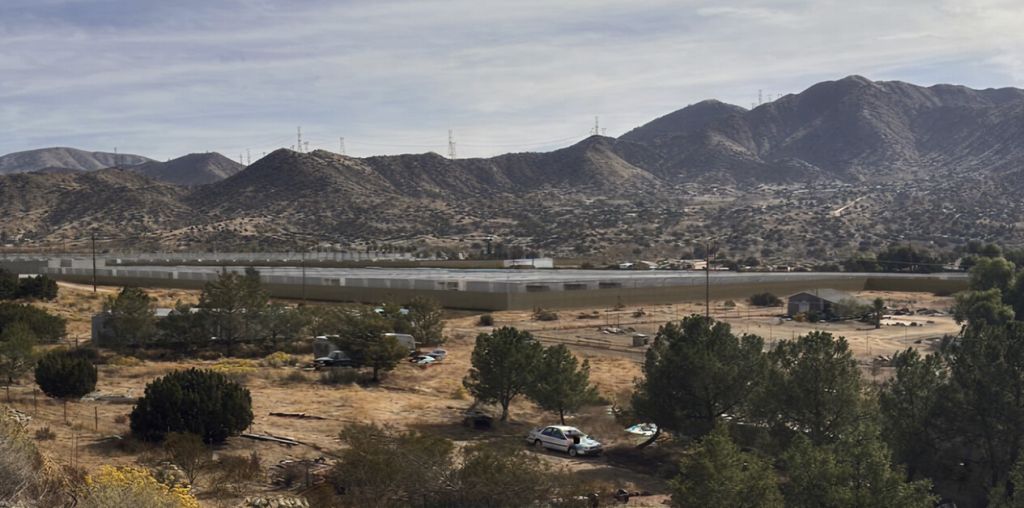
* Rendering of Prairie Song Reliability Project. Final layout subject to state and local approvals.
Prairie Song Reliability Project
California’s grid is under pressure. Each year, hundreds of thousands of Los Angeles County residents experience power outages, underscoring the urgent need for solutions that can strengthen reliability at scale.
The Prairie Song Reliability Project is designed to meet this need. Proposed for Northern Los Angeles County, this 1,150 megawatt (MW) / 9,200 megawatt-hour (MWh) battery energy storage system will store power when demand is low and deliver it back to the grid when it is needed most. The result is fewer outages and greater energy security for communities across Los Angeles County.
Union strong
"This project means real jobs for real people. When the construction of critical energy infrastructure is entrusted to our Union Brothers and Sisters, you can trust it’s in the hands of highly trained professionals—ensuring safety at every stage, from the first pour to final decommissioning."
—Ernesto Medrano
Executive Secretary - Los Angeles / Orange Counties Building & Construction Trades Council
Innovation begins with safety
Safety is the foundation of the Prairie Song Reliability Project. Our design prioritizes protection and preparedness, meeting some of the most rigorous safety standards at the local, state, and national levels. Here’s how we’re putting safety first.

01 Site-specific emergency response plan
Developed in partnership with local officials and independent safety experts to maintain strong incident readiness and community trust.

02
100-Foot MINIMUM SetbackS
Significant distances from property lines ensures quiet operations and reinforces health and safety buffers.

03 Thoughtful Visual Screening
Landscaping and screening measures help blend the facility into its surroundings, preserving local character and minimizing visual impacts.

04 Meaningful Community Benefits Agreements
Localized community benefit partnerships deliver lasting support for workforce development, local programs, and other comunity-identified priorities.

05 Responsible Decommissioning Plan
When operations end, all equipment will be safely removed and the land carefully restored.
Resources
Frequently asked questions
Who is Coval Infrastructure and what is their role in this project?
Coval Infrastructure is a full-stack energy infrastructure developer focused on delivering advanced solutions to meet today’s growing demand for reliable power. We specialize in utility-scale battery energy storage and grid-supporting infrastructure that enhances reliability, strengthens community resilience, and drives long-term economic growth.
For the Prairie Song Reliability Project, Coval is leading every phase—from site planning and permitting to construction and long-term operations. Our team brings decades of experience delivering energy solutions that communities and critical services can depend on.
In Los Angeles County, where wildfire risk, extreme heat, and severe weather continue to challenge grid stability, projects like Prairie Song offer meaningful relief. By storing electricity and dispatching it when it’s needed most, our systems help prevent blackouts and provide more dependable power for homes, businesses, and essential facilities.
How will this project benefit the local community?
At Coval, we believe infrastructure should deliver lasting value to the communities we serve. That’s why we invest in local jobs, community organizations, and essential public services. Our community engagement efforts focus on:
- Union jobs and job training
- Support for local first responders and emergency preparedness
- Local backup power options during outages and PSPS events
- Environmental and conservation programs
- Partnerships with schools and youth programs
- Support for local nonprofits and health services
How does this project enable California’s goals for grid reliability and energy independence?
California’s power grid is under growing pressure. Extreme heat, wildfires, and unprecedented electricity demand have pushed the system to its limits. In recent years, hundreds of thousands of homes across Los Angeles County have experienced outages, and state officials continue to warn of possible shortfalls during the hottest months.
To keep the lights on and move toward energy independence, California plans to add more than 48,000 megawatts of battery storage and 4,000 megawatts of long-duration storage by 2045. In just the past six years, battery storage capacity has grown nearly 2,000 percent—reaching more than 15,700 megawatts.
What’s being done to help the project blend in with the surrounding area?
The Prairie Song Reliability Project has been carefully designed to minimize visual impact on the surrounding area. This includes using setbacks and other screening measures to create natural buffers between the facility and nearby homes and roadways wherever possible. The goal is to ensure the project blends into the landscape and reflects the character and values of the community.
How is this project designed to handle extreme weather events or natural disasters, like wildfires or earthquakes?
The Prairie Song Reliability Project is engineered for durability in California’s toughest environments. The facility includes reinforced foundations built to meet seismic design standards, along with advanced cooling and monitoring systems that help maintain safe operating temperatures during periods of extreme heat.
All equipment is installed in outdoor enclosures that are sealed to protect against rain, wind, and extreme temperatures. In Los Angeles County, projects like this must also follow strict building and fire codes that account for local wildfire, weather, and earthquake risks. These include rules on spacing, use of fire-resistant materials, and clear access routes for emergency responders.
What happens when the project reaches the end of its life?
When the project is decommissioned, all equipment will be safely removed, and the land will be restored in accordance with local and state requirements. No permanent structures will remain, and the site can return to other uses.
What are NFPA battery storage safety standards?
The National Fire Protection Association (NFPA) 855 standard—along with UL 9540 and UL 9540A testing protocols—sets strict safety requirements for battery energy storage systems. These standards focus on preventing thermal runaway, containing heat and fire, enabling early detection, and supporting coordinated emergency response. In California—including Los Angeles County—compliance with these standards is now mandatory, and local guidelines are among the most rigorous in the country.
Importantly, incidents at older BESS facilities occurred before these standards were adopted and involved systems that did not meet NFPA 855 requirements.
By contrast, modern systems like the Prairie Song Reliability Project are built to today’s highest safety standards, including:
- Full compliance with current NFPA, UL, IFC, and Los Angeles County Fire and Building Codes
- Modern outdoor storage in separate, fire-rated containers
- Advanced liquid cooling to maintain safe battery temperatures
- Lithium iron phosphate (LFP) chemistry, which is known for its enhanced safety profile
- 24/7 early detection monitoring for gas, smoke, and heat
These layered protections are designed specifically to prevent the kinds of failures seen in earlier, outdated BESS incidents.
What is the California Energy Commission’s Opt-In Program?
The Opt-In Program, created under Assembly Bill (AB) 205, allows certain clean energy projects like the Prairie Song Reliability Project to be reviewed and permitted by the California Energy Commission (CEC). This state-led process is California’s most thorough and transparent review pathway for critical energy infrastructure projects.
To be eligible for the Opt-In program, a project must be considered essential to meeting California’s long-term electricity needs and meet requirements for local net economic benefits and a skilled workforce. By opting in, the project is subject to a full environmental review by state experts, third-party safety evaluations, and multiple opportunities for public input. The process offers stronger oversight and greater transparency within a defined 270-day timeline, while ensuring the project still meets all applicable local, state, and national safety standards.
What oversight does the state have in place to make sure battery energy storage projects are safe and well-regulated?
Today’s battery energy storage projects are subject to multiple layers of oversight to ensure public safety is prioritized at every stage.
The California Public Utilities Commission (CPUC) plays a key role through General Order 167, which requires facility operators to maintain plans for maintenance, emergency response, and employee training. CPUC staff conduct audits to ensure these standards are met. Projects that participate in the California Energy Commission’s (CEC) Opt-In program receive additional state-led review focused on environmental impact, land use, and safety.
Both the CPUC and CEC uphold national safety standards, including NFPA 855 and UL 9540A. These standards provide clear guidelines for installation, system design, fire prevention, and performance under extreme conditions.
California law further reinforces this framework. Senate Bill 38, passed in 2021, directs the CPUC and CEC to coordinate on best practices for fire safety, first responder training, and public notification systems.
Together, these safeguards help ensure that battery storage projects, including the Prairie Song Reliability Project, are built and operated with strong protections for public health, safety, and the environment.
How does Los Angeles County ensure safety at each stage—planning, building, and operating—of battery energy storage systems?
Battery energy storage systems in Los Angeles County are subject to some of the most rigorous safety standards in the nation. Before a project like the Prairie Song Reliability Project can begin operations, it must comply with California’s comprehensive building, electrical, and fire codes, along with additional requirements enforced by the Los Angeles County Fire Department, the Regional Water Quality Control Board, and other regulatory agencies. These standards apply equally to all projects reviewed under the AB 205 certification process.
In addition to meeting state and local codes, the project is engineered to align with nationally recognized safety benchmarks. This includes compliance with NFPA 855, which governs the safe installation and maintenance of battery systems, and UL 9540A, a rigorous testing protocol that evaluates how batteries perform under extreme conditions. These standards are critical to ensuring that any potential incidents can be quickly identified and safely contained.
Every system also undergoes a detailed, site-specific safety review led by local fire officials and third-party experts. This includes evaluating emergency response plans, continuous monitoring capabilities, and integrated safety systems designed to detect and isolate issues early.
Together, these layers of review and protection serve a single purpose: to keep communities safe while delivering the reliable energy infrastructure California needs.
Could an incident like others we've seen happen here, and what’s being done to prevent it?
No. The conditions that contributed to the energy storage fire in Northern California, such as less stable battery chemistry, indoor installation, sprinkler systems, and outdated safety standards that predate NFPA 855, are not present in this project.
The Prairie Song Reliability Project is designed to meet the highest fire safety standards required by Los Angeles County, the State of California, and national codes. The system includes around-the-clock monitoring for gas, smoke, and heat to ensure any issue is detected and addressed immediately.
As part of Los Angeles County’s requirements, the project includes minimum separation distances between equipment, between containers, and from nearby buildings. It also features a concrete block wall (CMU) that serves as a physical barrier between the battery system and the surrounding area. These protective measures work together with advanced fire containment features, safer battery chemistry, and fire-rated enclosures to help quickly control and contain thermal events if they ever occur.